
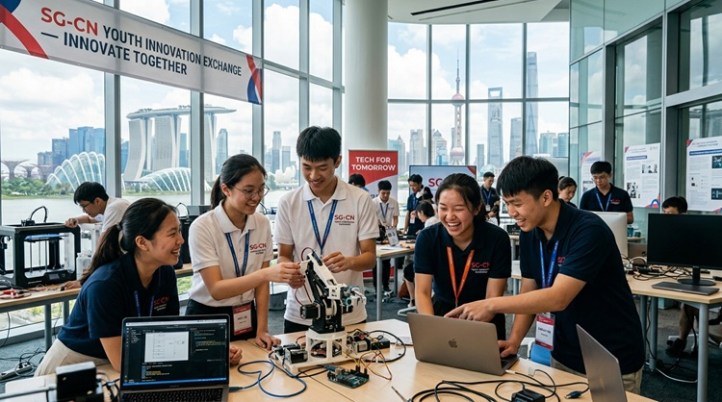
Cross-border youth programmes between Singapore and China have grown from small bilateral exchanges into structured pathways that shape how the next generation of professionals from both countries understand each other. These programmes do more than send young people across a border. They create the shared experiences and personal relationships that underpin the deeper economic and diplomatic ties both countries continue to build.
Why Youth Exchange Matters at the Government Level
Singapore and China have long recognised that official ties are strengthened when the people who will lead both societies in the coming decades actually know each other. Formal agreements between governments, business councils, and universities create the framework, but youth programmes fill it with real human content.
The Youth Interns Exchange Scheme and similar bilateral initiatives reflect a deliberate policy choice: invest in the relationships of young people now, and the institutional relationships between the two countries will be more robust in the decades ahead.
As former Senior Minister Goh Chok Tong once observed, “Singapore and China are not just partners in business. We are partners in building the future of Asia.” Cross-border youth programmes are one of the most direct expressions of that partnership at the individual level.
What These Programmes Typically Involve
The structure of cross-border youth programmes between Singapore and China varies across providers, but the core elements are relatively consistent.
Most programmes combine a structured internship placement with organised cultural activities, language sessions, and peer interaction with young people from the host country. The balance between professional experience and cultural immersion differs by programme, and students should consider their priorities when selecting between options.
Common features include:
- Host company placements – real work assignments in Chinese companies across sectors including finance, technology, trade, and professional services
- Peer exchange activities – organised interactions with Chinese university students or young professionals to build informal cross-cultural relationships
- Orientation and briefing – preparation sessions covering working culture, communication norms, and the practical realities of life in the host city
- Reflection and debrief – structured sessions at the end of the programme to consolidate learning and translate experience into professional insight
Cities and Sectors Most Active in Youth Exchange
China’s internship and exchange landscape is not uniform. Different cities offer different sector concentrations and professional cultures, and choosing the right destination amplifies the value of the experience.
- Shanghai – dominant in finance, professional services, and consumer industries, with an international business culture that is more familiar to many Singapore participants
- Beijing – stronger in government, policy, technology, and cultural industries, offering a different perspective on how China’s national priorities translate into business practice
- Shenzhen and the Greater Bay Area – the most dynamic technology and manufacturing ecosystem in China, relevant for students with interests in hardware, deep tech, and innovation
- Chengdu and Xi’an – emerging as centres for domestic consumption and cultural industries, offering exposure to China’s inland economy
The choice of city should align with the student’s career interests and language confidence.
What Participants Take Away
The value of Singapore-China youth exchange initiatives is not captured by a single metric. What participants consistently report, looking back, is a shift in how they understand China – from a concept studied in class or read about in news reports to a place they know from direct experience.
That shift matters professionally. Graduates who have worked and lived in China, even briefly, carry a credibility when discussing the Chinese market that those without such experience simply cannot replicate. They also carry contacts – Chinese colleagues, supervisors, and peers who may become business partners or professional references years down the line.
How to Apply and What to Expect
Application processes differ between programmes, but candidates are generally evaluated on a combination of academic standing, language ability, professional interest, and motivation. The strongest applications demonstrate a genuine and specific reason for wanting to work in China, not just a general interest in international experience.
Participants should expect the experience to be challenging in ways that go beyond professional tasks. Navigating a new city, working in a second language, and adapting to a different professional culture requires resilience and flexibility. These qualities are also exactly what the programme is designed to develop.
Building the Relationships That Last
The friendships and professional contacts formed during cross-border youth programmes have a long shelf life. Many participants cite relationships built during these exchanges as among the most professionally valuable of their early careers.
For Singapore students thinking about a career with a regional dimension, participating in cross-border youth programmes between Singapore and China is one of the most concrete steps available to them while still at university.

